Wasp Killer: When It's Safe to Kill Wasps - And When It's Not
Seeing wasps around your home or garden can be unsettling, especially when they gather in numbers or build nests in awkward, hard-to-reach places. For many homeowners, the first reaction is to reach for a wasp killer spray. But before you do, it’s worth taking a step back.
Killing wasps might seem like a fast fix, but it’s not always the best or safest approach. In some situations, it’s necessary for safety. In others, it might do more harm than good, provoking aggression or failing to solve the underlying problem. This article explores when it’s appropriate to use a wasp killer, when to avoid it, and how professional solutions can make a difference.
Whether you’re dealing with a wasp nest in attic, a ground wasp nest, or simply a few stray wasps near your window, this guide will help you choose the safest, most effective way forward.
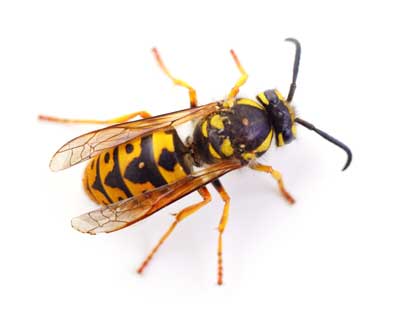
Do You Really Need a Wasp Killer?
Wasp killer sprays are easy to find and widely used, but they’re not always the right tool for the job. The question isn’t just whether a product works, but whether it should be used at all. Not every wasp sighting justifies extermination. In many cases, wasps are simply passing through, foraging for food, or investigating potential nesting sites. They may not pose a threat if left undisturbed.
However, if a wasp nest is discovered in or near a high-traffic area, the situation changes, and fast, effective action may be required. It’s also important to understand the risks of using chemical sprays, particularly in homes with pets, children, or allergy concerns. Professional pest control providers often assess the entire scenario location, wasp activity, and potential safety risks before determining whether killing the wasps is necessary. In other cases, natural deterrents or nest relocation may be more appropriate. Thinking critically before reaching for a wasp spray helps reduce unnecessary harm, lowers the risk of making the situation worse, and promotes safer long-term outcomes.
When Killing Wasps Might Be Necessary
There are circumstances where wasps present a real threat, and using a wasp killer becomes part of the overall solution.
-
- Nesting in high-risk locations like the attic, chimney, soffit, wall, or roof tiles creates ongoing exposure to stings and structural damage.
- Aggressive behaviour, especially during peak wasp breeding season, can be dangerous in outdoor areas or enclosed spaces.
- Health risks arise when anyone in the home is allergic to stings, making even a small wasp nest in the garden or near a window a serious concern.
- Commercial or public safety obligations may require urgent treatment if wasps are swarming near schools, shops, or patios.
- Hidden activity, such as a wasp nest in vent openings or behind wall panels, often demands more than just surface-level spraying.
In these situations, applying a wasp killer may be necessary, but it should always be done as part of a comprehensive, targeted treatment plan, ideally led by a licensed pest control specialist.
When It Might Be Better Not to Use Wasp Killer
Wasps aren’t automatically a problem. In many situations, it’s safer and more sensible not to kill them at all.
-
- Foraging wasps with no visible nest nearby are likely passing through and don’t need to be treated.
- Solitary or non-aggressive wasps, such as yellow wasps, often play a beneficial role in gardens, preying on other insects and pollinating plants.
- Early-season activity near rooflines, decking, or soffits may indicate a queen scouting for a site. This is a prime opportunity to prevent nesting with natural deterrents.
- Inaccessible or unclear nest locations, like behind walls or roof tiles, should be handled with care. Spraying randomly without confirming the nest can worsen the problem.
If you’re not sure whether wasps are nesting or just exploring, consider calling a professional to assess the situation. Services like natural wasp removal provide humane, non-toxic alternatives that reduce harm to the local ecosystem.
The Risks of DIY Wasp Killers
Over-the-counter wasp killers promise quick results, but they often fall short of delivering long-term protection. Using these products incorrectly or without understanding the wasp’s nesting habits can lead to more serious problems.
-
- Surface spraying doesn’t reach hidden nests, especially those inside wall voids, attic insulation, or under decking.
- Partial treatment can provoke surviving wasps, increasing the chance of swarming or stings.
- Chemical residues can pose risks to children, pets, wildlife, and other pollinators.
- Mistaking the entry point for the nest location is common, especially when dealing with wasp nests in chimney flues, soffit gaps, or under floorboards.
- Re-infestation is likely if the nest isn’t fully removed or if structural access points remain open after treatment.
If you’re unsure how to remove a wasp nest properly, it’s best to avoid DIY attempts and consult a licensed technician. From ground wasp nests to wasp nests in windows or under deck panels, professional teams have the tools to handle it efficiently and safely.
Summary
While the use of a wasp killer might seem like a simple fix, the reality is rarely that straightforward. Killing wasps can be necessary when a nest is posing a clear risk, such as a wasp nest in a window, garden, or on the roof. But indiscriminate spraying without identifying the source can escalate the problem and create new ones.
It’s always best to begin with an assessment. Ask where the nest is located, how active the wasps are, and whether safer alternatives like natural wasp removal or sealing off entry points might solve the issue. If you’re unsure whether killing is necessary, speak to a professional who understands how to remove a wasp nest safely, legally, and without unnecessary chemical exposure. A short delay could mean the difference between using a single controlled treatment and having to deal with a reinforced, angry colony.
Need Help Choosing the Right Wasp Killer Solution?
If you’re dealing with a wasp infestation, whether it’s in a garden shed, attic, under decking, or around windows, don’t leave it to guesswork. Our experienced team can inspect your property, identify the nest location, and recommend the safest and most effective way to deal with it. We offer everything from chemical-free deterrents to full-service professional wasp nest removal, with options tailored to your property and your comfort level.
Whether you’re exploring natural wasp removal, tackling a ground wasp nest, or simply trying to understand the best approach for a potential wasp nest in a chimney, we’re here to help. Take the safer route.
Book expert wasp nest removal or call us on 087 254 2839 to schedule your appointment today.